
Individual Leasing vs Joint Leases in London, ON: How Per-Bed Contracts Protect Students
Discover the crucial differences between joint and individual leases for student rentals in London, Ontario. Learn how per-bed contracts secure your financial future and protect you from roommate payment defaults.
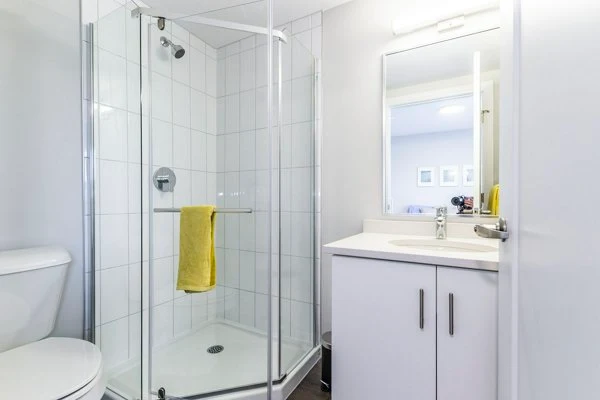
For university students moving to London, Ontario in 2026, finding the right off-campus housing is a critical milestone. When searching through student rentals in London, Ontario, residents and their parental guarantors are often focused on location, amenities, and price. However, one of the most overlooked factors is the legal structure of the rental agreement. The type of lease you sign will dictate your financial liability, your exposure to roommate disputes, and your overall peace of mind.
Historically, the off-campus housing market has relied on traditional joint leases. Today, purpose-built student accommodations (PBSA) have introduced a more secure alternative: the individual per-bed lease. Drawing on extensive experience in purpose-built student housing, The W London provides this comprehensive guide to help students and guarantors understand how leasing structures under Ontario law impact their financial security.
What is a Joint Lease?
A joint lease (often referred to as a "joint and several" lease) is a single rental agreement signed by two or more occupants for an entire dwelling. Under Ontario's Residential Tenancies Act, 2006 (RTA), the landlord views the entire tenant group as a single entity.
According to the Landlord and Tenant Board's Interpretation Guideline 21, joint tenants are bound by joint and several liability. This means every individual who signs the lease is legally responsible for 100% of the rent and property damages—not just a fractional share. If four students rent a home and one roommate stops paying their portion, the remaining tenants must cover the shortfall to avoid eviction for non-payment.
What is an Individual Per-Bed Lease?
An individual lease, or per-bed contract, is a standalone agreement between a landlord and a single student for a specific bedroom within a suite, along with shared access to common areas.
Under this tenants-in-common structure, financial liability is isolated solely to the individual tenant. As noted by the Queen's University Off-Campus Living Advisor, if a roommate drops out of school or fails to pay their rent, the landlord cannot seek compensation from the other residents in the suite. Renewals, sublets, and lease terminations are managed independently, ensuring that each student controls their own housing fate.
How Do Roommate Defaults Impact Co-Tenants?
When reviewing rooms for renting, understanding the legal reality of roommate defaults is essential. Student dynamics can change rapidly due to academic transfers, financial stress, or personal fallouts. When a roommate abandons a joint lease, a cascade of financial risks follows.
1. The Landlord Demands Full Payment Ontario law dictates that simply moving out does not dissolve lease liability. However, landlords frequently pursue the remaining occupants for the full balance because they are physically present and accessible. According to Spectrum Paralegal, remaining tenants must cover the missing funds.
2. The Eviction Risk for Compliant Tenants If the remaining roommates cannot come up with the missing rent, the landlord can issue an N4 Notice for non-payment and apply to evict all occupants. Compliant tenants who paid their "share" on time can still lose their housing because of someone else's default.
3. The Jurisdictional Gap at the LTB The Landlord and Tenant Board (LTB) has zero jurisdiction over financial disputes between roommates. As emphasized by legal analysts at LawyerInfo Canada, if remaining tenants cover a defaulting roommate's rent on a joint lease, their only recourse is to independently sue the former roommate in Small Claims Court—a costly and stressful process.
Why Are Individual Leases Considered More Secure?
Individual per-bed leases protect students by removing the financial cross-liability inherent in group housing. When tenants hold individual contracts, the Advocacy Centre for Tenants Ontario (ACTO) confirms that landlords can only hold each tenant responsible for their own agreed-upon rent.
Additionally, this protection extends to parental guarantors. Under a joint lease, a guarantor can be legally pursued for arrears created by someone else's child. With an individual lease, guarantors back only their specific student's rent, providing total financial predictability.
Side-by-Side Comparison: Joint vs. Individual Leases
When evaluating different housing contracts, here is a direct comparison of the liabilities involved:
Feature / Risk Factor | Joint & Several Lease (Traditional House/Apartment) | Individual Per-Bed Lease (Purpose-Built Housing) |
|---|---|---|
Contract Structure | Single lease signed by all occupants | Individual lease per student |
Rent Responsibility | Shared 100% collectively across all signatories | 100% isolated to the individual tenant |
Roommate Non-Payment | Remaining tenants must pay missing rent or face eviction | Landlord absorbs non-payment; remaining tenants pay only their fixed rent |
Property Damage Exposure | Shared liability for damages anywhere in the dwelling | Liability restricted to individual bedroom and personal fault in common areas |
Roommate Departure | Departing tenant remains on lease; replacements require group consensus | Landlord manages fills/vacancies without burdening co-tenants |
Utility Allocation | Usually extra; set up in one student's personal name | Typically all-inclusive in a fixed monthly rent |
What Are the Current 2026 Rental Market Trends in London, ON?
For those seeking to rent, "room for rent" pricing remains a focal point as students balance budgets against housing quality. Data published by Western University Off-Campus Housing Services and local market trackers in 2026 highlight a consistent demand for predictable, inclusive pricing.
While early 2026 saw a moderation in overall apartment asking rents due to shifts in international enrollment caps and new supply, individual room rates near major campuses remain stable. Currently, individual private rooms and bedrooms in shared accommodations typically run between $750 and $875+ per month.
With 1-bedroom apartments averaging over $1,460 per month, many students opt for multi-bedroom setups. However, as reported by CBC News, the softer rental market gives students the leverage to demand better leasing terms, driving renters toward purpose-built student developments that eliminate the risks of joint leases.
How Does Purpose-Built Housing Solve This? The W London Approach
To address the liabilities of joint leases and unbundled utility costs, Purpose-Built Student Accommodation (PBSA) offers an institutional solution. Located in the Sherwood Forest neighbourhood near Western University, The W London acts as the benchmark for secure, commuter-friendly student living.
By prioritizing individual per-bed contracts, The W London completely removes roommate default liability. If a suitemate transfers or leaves early, the remaining residents are never asked to pay extra rent or fill the vacancy.
Beyond the contract structure, The W London enhances student life through:
All-Inclusive Budgeting: Rent covers a fully furnished suite, all utilities, and high-speed Wi-Fi, completely eliminating utility collection disputes among roommates.
Dedicated Campus Transport: A complimentary, private campus shuttle provides direct, daily transit between the residence and Western University.
Secure Infrastructure: The community offers 24/7 video surveillance, daily security patrols, coded suite entries, and on-call staff to ensure a highly secure environment.
Premium Amenities: Residents enjoy access to an on-site fitness centre, private and group study lounges, a clubhouse, and outdoor spaces.
Conclusion: Making the Right Choice for Off-Campus Living
The legal structure of your lease is just as critical as the physical property itself. Under Ontario's residential tenancy laws, traditional joint leases carry massive financial risks, exposing students to 100% liability if a roommate defaults.
By opting for individual per-bed leases found in purpose-built communities, you isolate your financial liability and guarantee your peace of mind. As you browse student rooms for rent this academic year, prioritize accommodations like The W London that offer standalone agreements, all-inclusive pricing, and environments designed specifically to protect and support post-secondary students.