
The 2026 Western Student Housing Comparison: Purpose-Built Suites vs. Traditional House Rentals in London, ON
Navigating your 2026 Western off-campus housing choice? We compare the true costs and lifestyle benefits of purpose-built suites versus traditional house rentals.
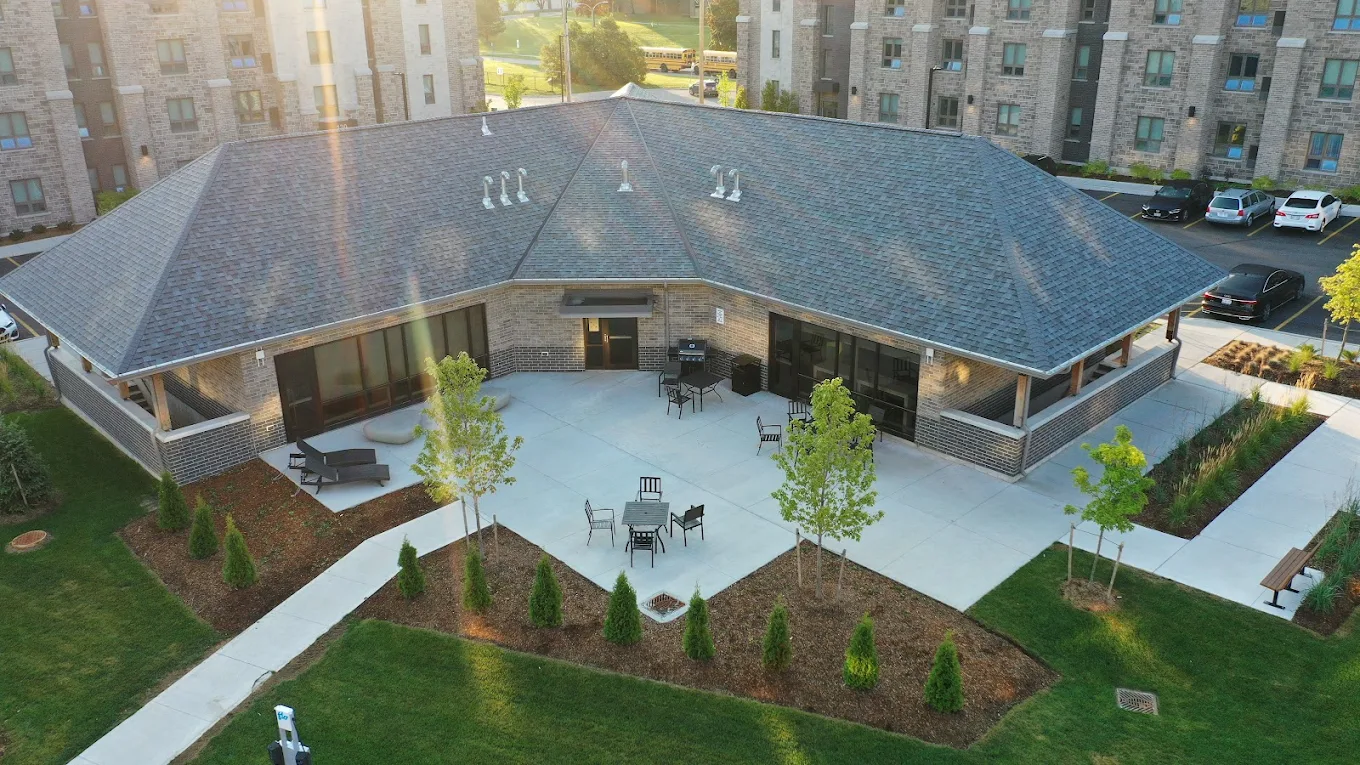
As students transition away from first-year residences and evaluate Western University off-campus housing options for the 2026 academic year, they face a critical decision: signing a traditional house lease or moving into a purpose-built student apartment. While traditional house rentals have historically served as the default pathway for upper-year students, recent shifts in utility structures, winter transit reliability, and legal liability models have fundamentally transformed the comparative value proposition in London, Ontario.
According to 2026 data compiled by Better Student Rentals, room rentals in London run between $740 and $877 per bedroom on base rent alone. However, evaluating off-campus accommodations based solely on sticker price creates a false equivalency. Ancillary expenses, individual liability risks, and daily commute friction significantly alter the net cost of living and the overall student experience.
This in-depth comparison analyses the true 12-month cost and lifestyle impact of both housing models, providing a definitive guide to securing the right environment for your upper-year studies.
What are Purpose-Built Suites vs. Traditional House Rentals?
Before analysing the financial and legal differences, it is essential to define the two primary categories of student rentals in London, Ontario:
Purpose-Built Student Housing (PBSH): These are modern, commercial-grade apartment communities designed specifically around the university lifestyle. They feature individual leasing, all-inclusive utilities, fully furnished suites, and robust on-site amenities tailored for academic focus. The W is a leading example of a PBSH community serving Western students.
Traditional House Rentals: These are standard residential houses or converted basement flats shared among a group of students. They typically require a joint lease, separate utility accounts, and student-supplied furniture, with limited professional property management.
Executive Comparison: Accommodation Models
Dimension | Purpose-Built Student Suites (e.g., The W London) | Traditional House Rentals (Shared Homes) |
|---|---|---|
Lease Structure | Individual "Per-Bed" Lease: Each student is solely liable for their own bedroom and their share of common areas. | Joint & Several Liability: All tenants are legally liable for 100% of the rent and damages. |
Utility Model | All-Inclusive: Hydro, gas, water, central A/C, and commercial gigabit Wi-Fi are bundled into a flat monthly rent. | Variable ("Plus Utilities"): Tenants must set up accounts; bills fluctuate significantly during winter months. |
Furnishings | Turnkey & Fully Furnished: Includes bedroom sets, smart TVs, appliances, and modern living room furniture. | Unfurnished: Students must purchase, assemble, and eventually sell $1,500–$2,500 worth of furniture. |
Commute | Private Campus Shuttle: Direct, secure shuttle access to core Western hubs plus local transit access. | LTC Bus / Walking: Highly dependent on public transit schedules, which are subject to winter delays. |
Amenities | On-Site Infrastructure: Quiet study lounges, commercial fitness centres, and games lounges. | Limited: Shared basements or converted living rooms; reliant on external gyms and campus libraries. |
Security & Support | Professional Management: Dedicated on-site staff, secure fob access, and 24/7 emergency response. | Private Landlord Dependent: Highly variable response times and maintenance resolution. |
Lease Mechanics: Individual Liability vs. Joint Risk
A critical distinction between these two models lies in the legal distribution of financial liability under the Ontario Residential Tenancies Act.
Traditional Rentals and Joint & Several Liability
In traditional multi-bedroom student homes across Ontario, students almost universally sign a single master lease. This creates "joint and several liability." If one housemate drops out, transfers to another programme, or defaults on their rent, the landlord can legally demand the entire rental sum from the remaining tenants. Unpaid utility balances or damage charges caused by a single person place the entire household in direct legal and financial jeopardy.
The Purpose-Built Security Advantage
Purpose-built apartments near Western University operate on individual, "by-the-bed" lease agreements (as detailed in The W London Lease Analysis). This model offers unparalleled financial security by ensuring zero roommate contagion: each resident is legally responsible exclusively for their own bedroom and conduct. Furthermore, students without an established group can sign individually and utilize roommate-matching protocols without risking their credit score or security deposit on a stranger's financial reliability.
Financial Predictability: The True Cost of Living
While a traditional shared house often advertises a lower baseline rent, the unbundled utility structure introduces significant budgeting volatility.
The Real Cost of "Plus Utilities" in London, ON
Recent utility benchmarks published by ZenMove Guides and Acolyte Living highlight the substantial operational overhead for multi-tenant households in Southwestern Ontario:
Electricity (London Hydro): Subject to Ontario Energy Board Time-of-Use pricing (ranging up to 20.3¢/kWh on-peak, per London Hydro Rate Schedules), household electricity bills average $100 to $180 per month.
Winter Heating: Heavy seasonal surges drive natural gas or electric baseboard heating costs from $60 per month in the summer to $200–$350 per month during deep winter (December through March).
Water & Wi-Fi: Municipal water adds $30–$60 monthly, while gigabit internet packages require an additional $65–$90.
Hidden Setup Fees: Providers frequently mandate $200 to $500 in account activation fees and security deposits for young adults lacking utility credit history.
In a standard 4-bedroom traditional house, students must budget an additional $100 to $160 per student each month for utilities and internet during the winter.
The All-Inclusive Suite Economics
Purpose-built communities eliminate this volatility by bundling electricity, natural gas, central air conditioning, water, and commercial-grade Wi-Fi into the rental agreement. This guarantees strict budget predictability, removes the administrative friction of collecting utility shares from housemates, and provides turnkey connectivity from day one.
Commute Dynamics & Winter Accessibility
London's geographical footprint and winter lake-effect snow patterns make daily transit a central operational consideration.
Students relying on the London Transit Commission (LTC) to commute from traditional neighbourhoods frequently encounter bypassed buses (full-bus drive-bys) during morning peak hours (8:00 AM – 10:00 AM) and experience significant delays during heavy snow events on routes like the 2, 9, 13, 102, and 106.
Conversely, premier purpose-built residences such as The W London operate dedicated private campus shuttles. These services transport residents directly from a climate-controlled foyer to central university hubs like Alumni Hall and the Natural Sciences Centre. This ensures a secure, commuter-friendly lifestyle that bypasses public transit congestion entirely.
Academic & Lifestyle Infrastructure
The academic rigour of upper-year programs demands environments optimised for deep focus and physical health.
Quiet Study Infrastructure: Students in traditional rentals often compete for open desks at D.B. Weldon Library during exam periods or study in distracting environments. Modern PBSH facilities feature dedicated sound-dampened study rooms, private conference pods for group projects, and collaborative lounges equipped with high-speed charging stations.
Integrated Health & Wellness: Purpose-built buildings incorporate commercial-grade on-site fitness centres, eliminating the recurring expense ($40–$80/month) and travel time associated with external gym memberships.
Furnished Turnkey Convenience: Transitioning to a PBSH apartment saves students an estimated $1,500 to $2,500 in upfront furnishing expenses, as suites come fully equipped with ergonomic desks, executive study chairs, beds, and modern living room furniture.
Comprehensive 12-Month Total Cost of Occupancy (TCO)
When evaluating Western off campus housing, comparing the baseline sticker price is misleading. The table below models the full 12-month financial picture for a student in London, ON in 2026.
Expense Category | Traditional Shared House (Per Bed) | Purpose-Built Student Suite (e.g., The W) |
|---|---|---|
Base Rent (12 months) | $9,840 ($820/mo avg) | $11,700 ($975/mo avg) |
Hydro & Natural Gas Heating | $1,080 ($90/mo avg) | $0 (Included) |
Water & Municipal Sewage | $180 ($15/mo avg) | $0 (Included) |
High-Speed Internet (Gigabit) | $240 ($20/mo share) | $0 (Included) |
Furniture Amortization | $1,200 (Upfront purchase) | $0 (Turnkey Furnished) |
Off-Campus Gym Membership | $480 ($40/mo) | $0 (On-site Gym Included) |
Transit Surge / Winter Rideshare | $250 (LTC delays/Uber) | $0 (Private Shuttle Included) |
Estimated Net 12-Month Outlay | $13,270 | $11,700 |
Making the Right Choice for 2026
In 2026, while traditional house rentals near Western University advertise lower initial monthly base rates, their unbundled utility structure, furniture acquisition costs, and joint legal liabilities bring the true cost of occupancy significantly higher than anticipated. For students prioritizing academic focus, fixed budgets, and commuter efficiency, purpose-built student housing offers a superior, highly secure living experience.
The primary financial protection of a purpose-built community is the per-bed individual lease, insulating students from roommate rental defaults and utility disputes. When coupled with private transit options that bypass winter delays, modern PBSH communities stand out as the optimal choice for Western off-campus housing.